
Why Your Home Style Choice in Portland Could Be Your Best Investment Decision
Beyond Aesthetics: The Financial Side of Architectural Style
When you're buying a home in Portland, Oregon, it's easy to get caught up in the romance of it all. The charming front porch, the original hardwood floors, the way light filters through those vintage windows. And while falling in love with a home is part of the process, there's another crucial factor that many buyers overlook: your choice of architectural style can significantly impact your return on investment.
In Portland's distinctive real estate market, not all home styles are created equal when it comes to resale value, buyer demand, and competitive positioning. Some architectural styles consistently command premium prices, trigger bidding wars, and appreciate faster than others. Understanding these market dynamics before you buy can mean the difference between a solid investment and a spectacular one.
If you're still deciding which style of home suits you, or if you're flexible and open to being strategic, this guide will show you how architectural character translates directly into financial opportunity in Portland's competitive housing landscape.
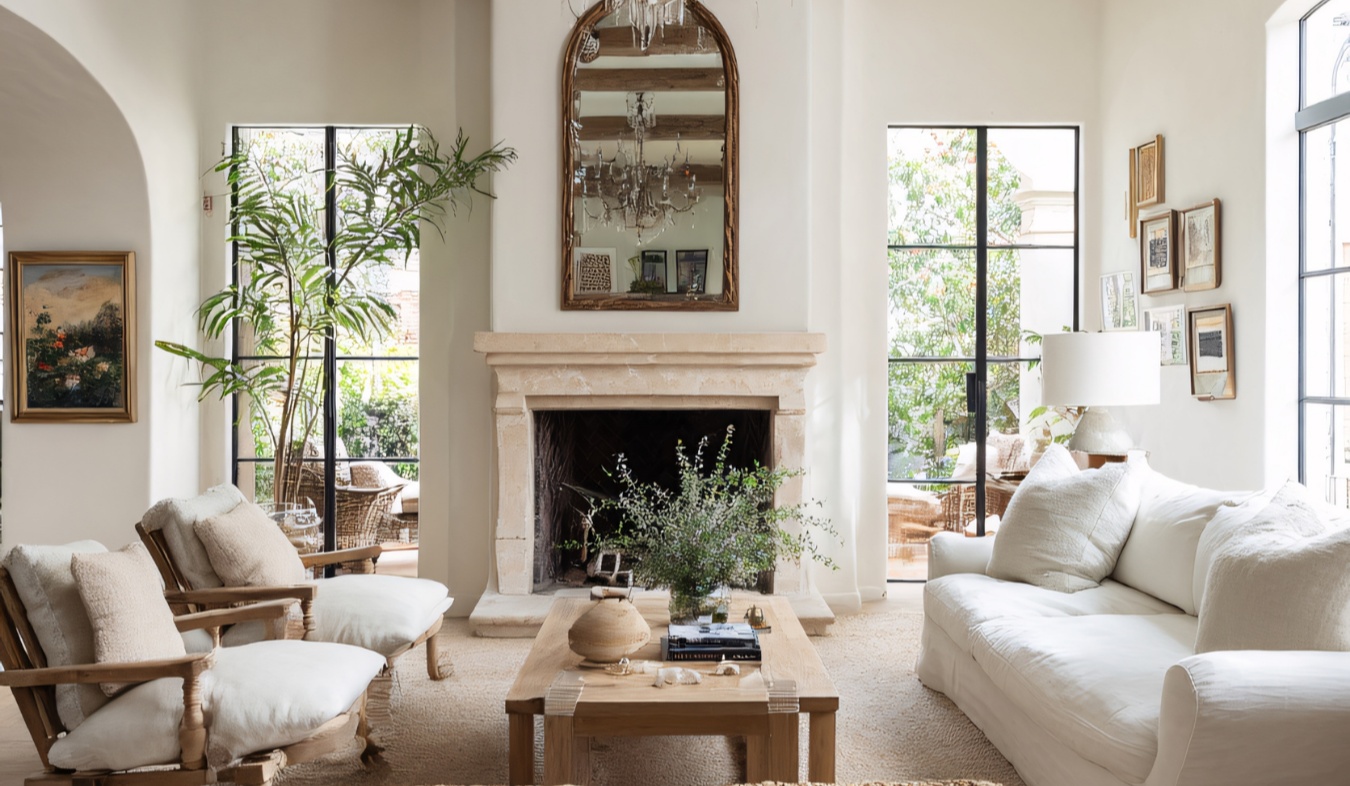
The Portland Premium: Why Character-Rich Homes Dominate the Market
Portland has always been a city that values authenticity, history, and distinctive character. Unlike some markets where newer construction commands the highest prices, Portland buyers consistently pay premiums for homes with architectural integrity, original details, and historical significance. This isn't just preference. It's a measurable market trend that affects pricing, days on market, and sale-to-list-price ratios.
Historic and character-rich homes—particularly Craftsman bungalows, Tudor Revivals, and Mid-Century Moderns (especially Rummers) frequently sell for over list price. These aren't isolated incidents; they're patterns that repeat across central Portland neighborhoods, month after month, year after year. Buyers compete fiercely for these homes, often waiving contingencies and escalating offers well beyond asking price.
What drives this phenomenon? Several factors converge:
Limited supply: Many of Portland's most desirable architectural styles were built during specific historical periods and can't be replicated. There will never be more 1920s Craftsman bungalows built in Laurelhurst or Eastmoreland.
Cultural values: Portland's identity centers on preservation, sustainability, and appreciation for craftsmanship are all qualities embodied in historic homes.
Neighborhood correlation: The most architecturally significant homes tend to be located in Portland's most established, desirable, centrally-located neighborhoods with mature trees, walkability, and strong community identities.
Renovation potential: Character homes offer the perfect canvas for blending historic charm with modern updates. This tends to be a combination Portland buyers prize above all else.
The result is a market where your choice of architectural style can fundamentally shape your financial trajectory as a homeowner.
The Top Performing Architectural Styles in Portland
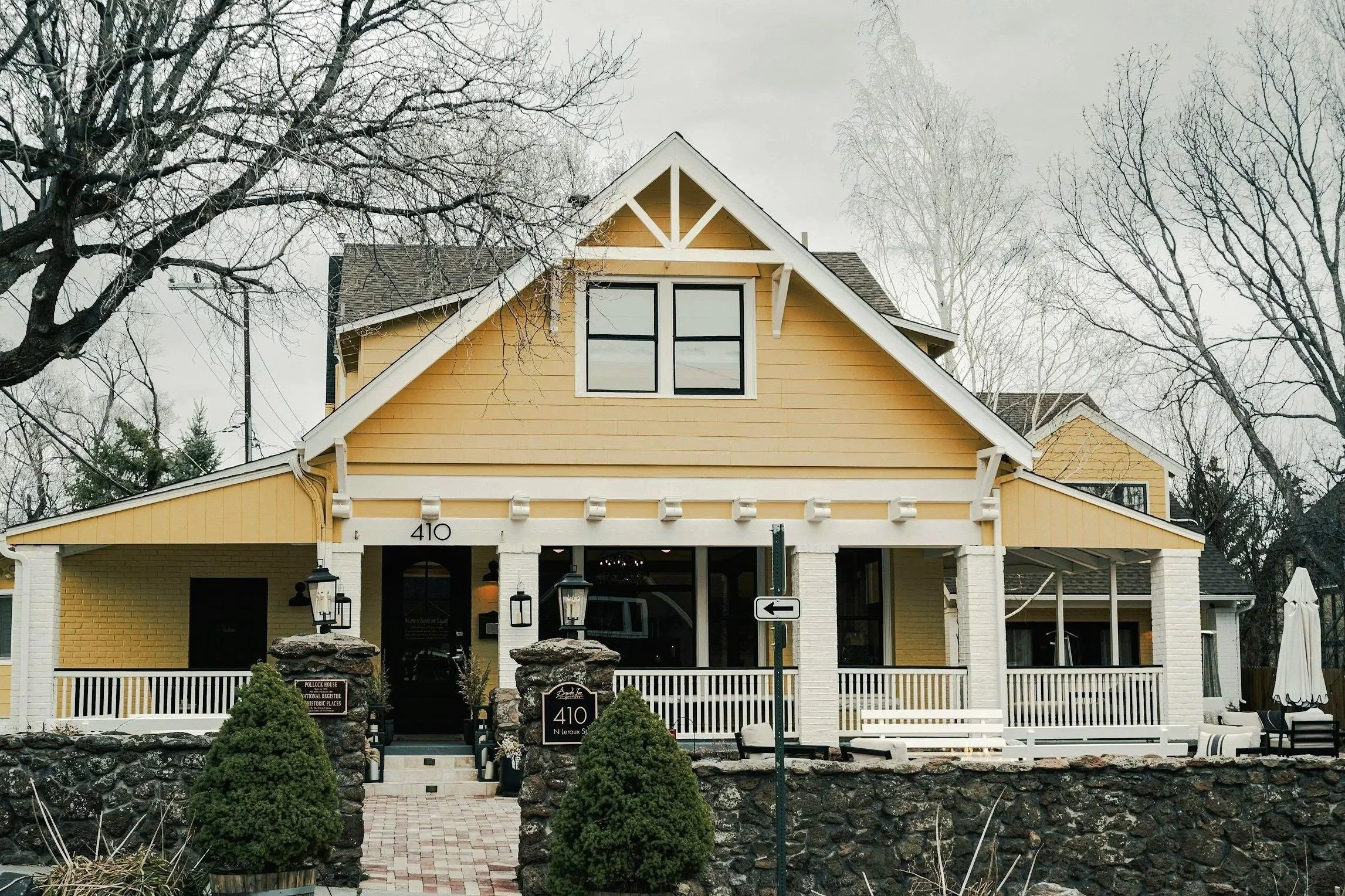
Let's break down the specific styles that consistently outperform in Portland's market, and what makes each one such a strong investment:
Craftsman Bungalows: Portland's Iconic Investment
Craftsman bungalows are Portland's architectural signature, and one of the most consistently strong performers in terms of resale value. These homes, primarily built between 1905 and 1930, embody everything Portland buyers seek: handcrafted details, efficient use of space, front porches that encourage community connection, and interiors filled with built-in bookcases, window seats, and artisan cabinetry.
In neighborhoods like Laurelhurst, Irvington, Eastmoreland, Sunnyside, and Sellwood-Moreland, well-maintained or thoughtfully updated Craftsman bungalows regularly spark bidding wars. It's common to see these homes sell for over their list price.
What makes Craftsman bungalows such reliable investments:
Universal appeal: They attract first-time buyers, families, down-sizers, and investors which broadens your potential buyer pool when you eventually sell.
Renovation-friendly: Their straightforward floor plans and solid construction make them ideal for updates, and buyers appreciate homes where historic character has been preserved while systems and finishes have been modernized.
Neighborhood premiums: Craftsman-dense neighborhoods consistently rank among Portland's most desirable, with nearby amenities and community engagement.
Emotional connection: These homes tell a story and create emotional responses in buyers which translates directly into competitive offers.
Tudor Revival and Victorian Homes: Premium Pricing in Historic Neighborhoods
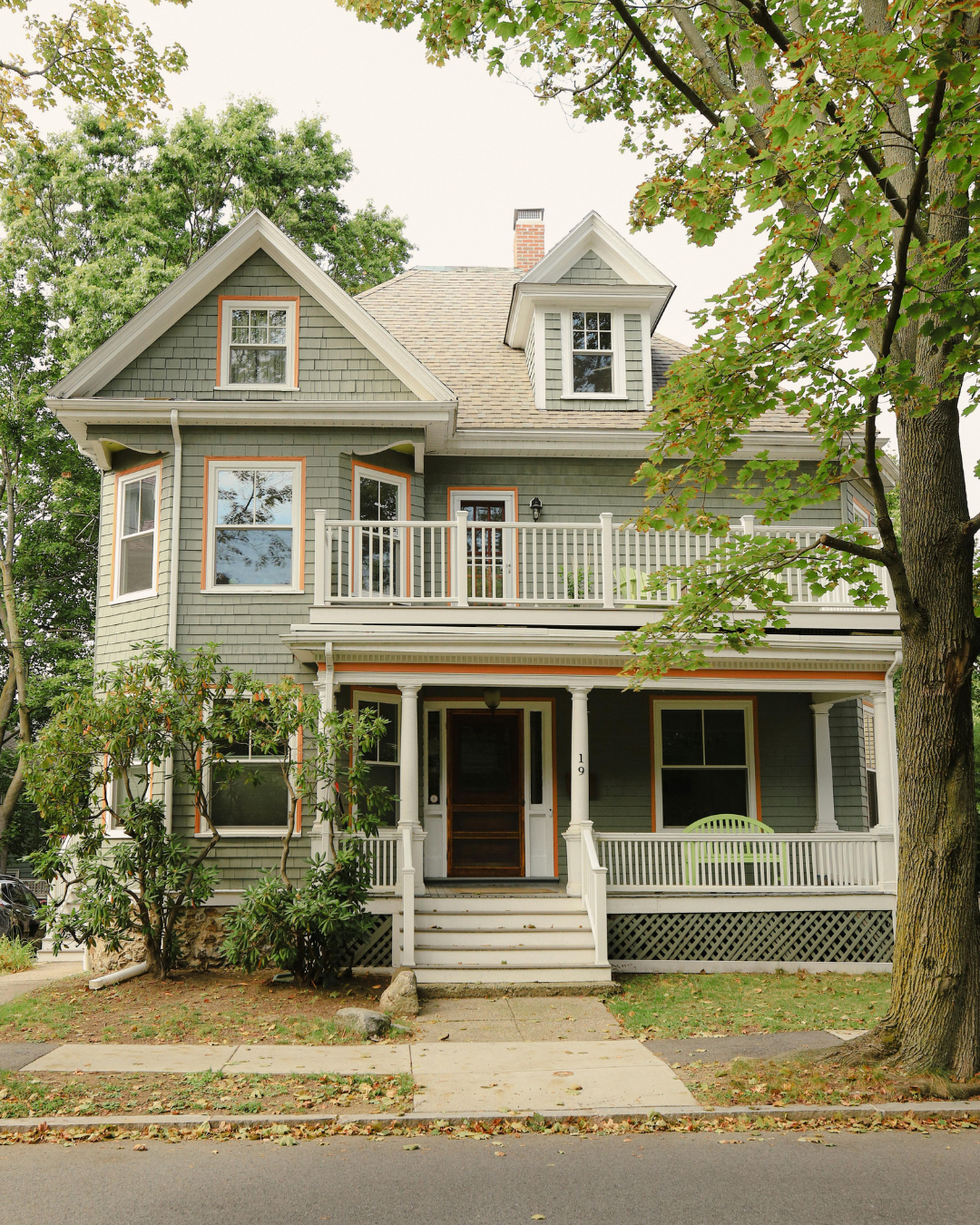
Tudor Revival homes, with their distinctive half-timbering, steep rooflines, and storybook charm, command some of Portland's highest price-per-square-foot numbers. Victorian homes, particularly in well-preserved condition, similarly attract buyers willing to pay premiums for architectural distinction and historical significance.
These styles thrive in Portland's most established, tree-lined neighborhoods—areas where location, architecture, and community character converge to create exceptional long-term value. Alameda, Eastmoreland, the West Hills, and portions of Southeast Portland near Ladd's Addition see particularly strong performance for these architectural styles.
The investment case for Tudor Revival and Victorian homes:
Scarcity value: These homes are relatively rare compared to Craftsman bungalows, making them especially coveted by buyers seeking something distinctive.
Renovation potential: Thoughtful updates that respect original character while modernizing function create tremendous value. Buyers will pay significant premiums for "done right" renovations.
Neighborhood stability: These homes anchor some of Portland's most stable, appreciating neighborhoods with strong community identities.
Mid-Century Modern and Rummer Homes: Portland's Design-Forward Investment
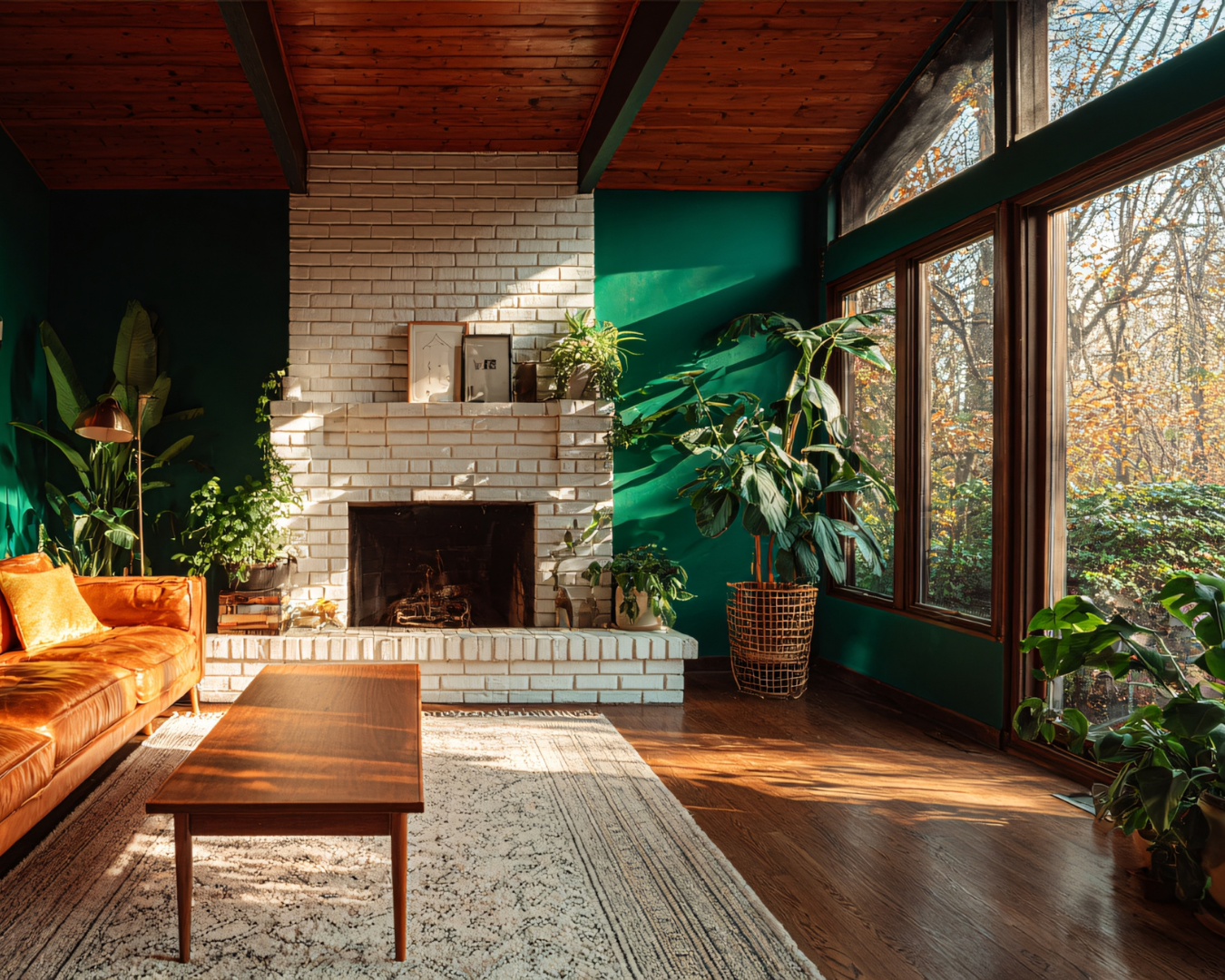
Mid-Century Modern homes and specifically Robert Rummer-designed homes, represent Portland's other architectural obsession. These homes, primarily built in the 1950s-1970s, offer clean lines, walls of windows, open floor plans, and seamless indoor-outdoor flow that aligns perfectly with Pacific Northwest lifestyle priorities.
Rummer homes, in particular, inspire cult-like devotion among Portland buyers. These architect designed homes, found in clusters throughout Southeast and Southwest Portland, regularly trigger intense competition and premium pricing. It's not unusual to see Rummer homes sell within days of listing, often with multiple offers significantly above asking price.
Why Mid-Century Modern homes perform so well:
Design enthusiast appeal: These homes attract buyers who specifically seek MCM architecture, creating a passionate, competitive buyer pool.
Lifestyle alignment: Open plans, natural light, and indoor-outdoor connection match how Portland residents actually want to live.
Renovation economics: Updates tend to be less invasive than in older homes: remodeled kitchens, baths, and finishes rather than structural work.
Architect provenance: Homes by known architects like Rummer, Saul Zaik, or Van Evera Bailey command particular premiums and attract architecture enthusiasts willing to pay for design pedigree.
English Cottages and Four-Squares: Underrated Investment Opportunities
While Craftsman bungalows and Mid-Century Moderns get most of the attention, English Cottages and Four-Square homes represent somewhat underrated and therefore potentially strategic investment opportunities in Portland.
English Cottages, with their storybook charm, steep roofs, arched doorways, and cozy proportions, appeal to buyers seeking distinctive character without the larger footprint (and price tag) of many Tudor Revivals. Four-Squares, with their efficient, boxy two-story design, offer versatility and can be maintained in period-appropriate style or more easily modernized than some other historic styles.
The investment advantages:
Entry points: These styles sometimes offer more accessible price points than Craftsman or MCM homes in the same neighborhoods, providing value conscious buyers a path into desirable areas.
Renovation flexibility: Four-Squares in particular adapt well to modern living while retaining exterior character which is a combination buyers reward.
Charm factor: These styles create strong emotional responses and stand out in listings, leading to faster sales and competitive offers.
Neighborhood diversity: These styles appear across various Portland neighborhoods, giving buyers more location options while still investing in character architecture.
The Critical Role of Updates: Balancing Character and Modernity
Here's the crucial nuance that separates good investments from great ones in Portland's character home market: regardless of architectural style, homes that have been thoughtfully updated while retaining original character are most likely to sell for over asking price.
This balance is everything. Portland buyers don't want pristine museum pieces that require tip-toeing around delicate original finishes. Nor do they want gut-renovated homes stripped of all historical character. What commands premiums is the middle ground homes where someone has invested in:
Systems updates: Modern electrical, plumbing, HVAC, and roofing that provide peace of mind
Kitchen and bath renovations: Contemporary function and finishes while respecting the home's architectural style
Preserved character details: Original hardwood floors, built-ins, moldings, windows, and other distinctive features carefully maintained
Energy efficiency improvements: Insulation, efficient windows, and sustainable systems that reduce operating costs
Thoughtful additions: Primary suite additions, ADUs, or other expansions done in harmony with original architecture
When evaluating homes as investments, consider not just the architectural style but the renovation state. A Craftsman bungalow that needs everything might not outperform a well-updated Four-Square, at least not until you invest significant time and money in thoughtful renovations.
This is also why working with agents who understand Portland's renovation landscape becomes crucial. Urban Nest agents can help you evaluate whether a home's updates align with market expectations, whether renovation budgets make financial sense, and how to position updated character homes for maximum return when you eventually sell.
Neighborhood Matters: Where Architectural Style Meets Location Premium
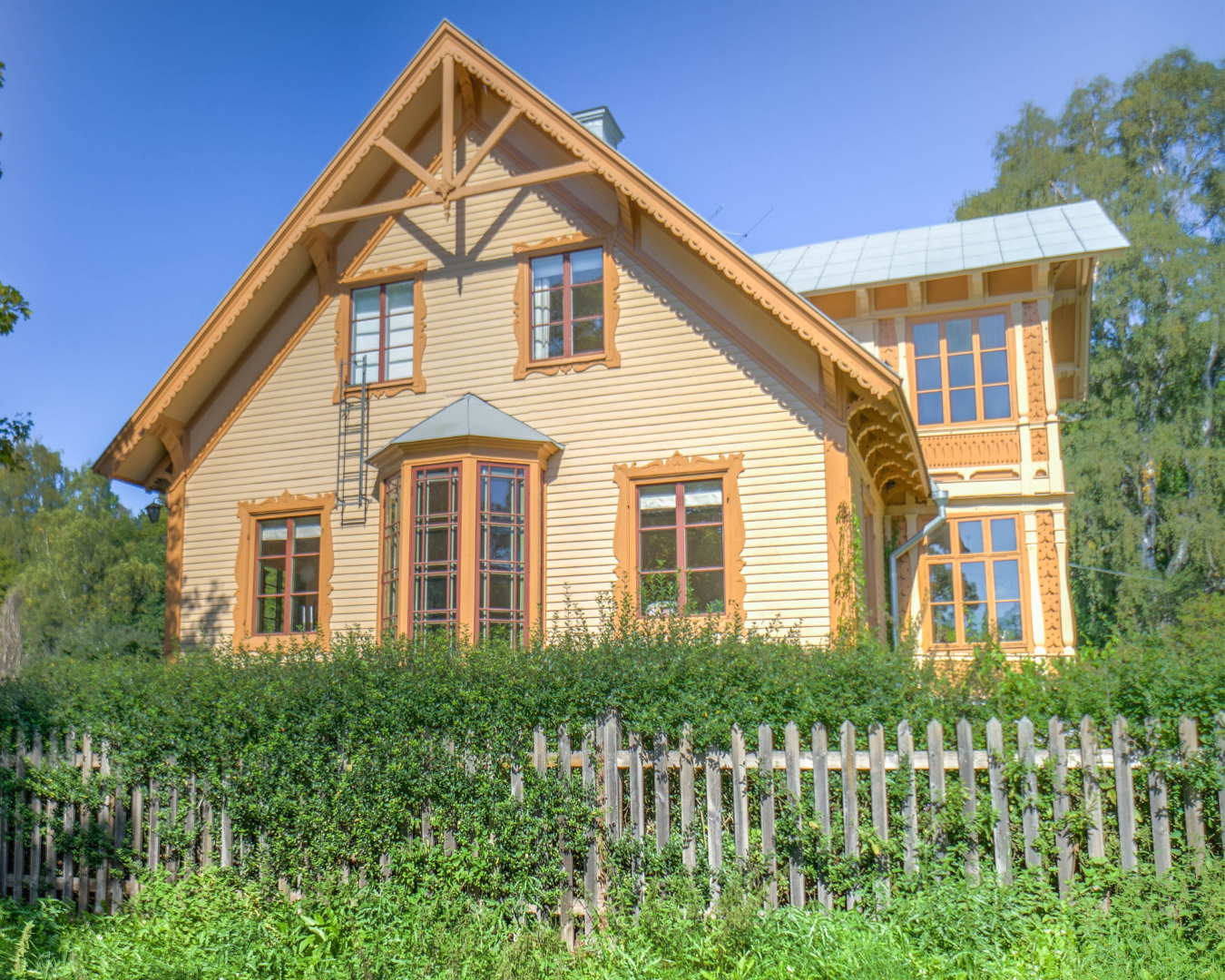
Architectural style doesn't exist in a vacuum—it intersects with location to create compounding value. Homes in neighborhoods like Sunnyside, Mount Tabor, Laurelhurst, Irvington, Eastmoreland, and the West Hills frequently see competitive, fast-paced sales precisely because they combine desirable architectural styles with strong neighborhood fundamentals.
These neighborhoods offer:
Walkability and amenities: Proximity to commercial districts, parks, schools, and transit
Architectural consistency: Critical masses of historic homes that create cohesive neighborhood character
Nearby schools: Public school access that drives family buyer demand
Community engagement: Active neighborhood associations, events, and social connection
Mature landscapes: Tree-lined streets and established gardens that can't be replicated quickly
When you're choosing a home style as an investment, consider how that style performs specifically in the neighborhoods where you're searching. A Craftsman in Sunnyside might outperform an architecturally similar home in a less established area, purely due to neighborhood demand dynamics.
Investment Strategies for Different Buyer Situations
How you approach architectural style as an investment depends on your specific situation, timeline, and financial capacity:
For Move-Up Buyers with Renovation Capacity
Consider high-potential fixer homes in established neighborhoods. Keep an eye out particularly for Craftsman bungalows or Tudor Revivals that need significant but not structural work. If you can manage renovation timelines and budgets, buying below market and investing in thoughtful updates creates tremendous equity while you live there.
For Buyers Prioritizing Immediate Income
Look for character homes with existing ADUs or clear ADU potential. Think: MCM homes on larger lots or Craftsman bungalows with detached garages suitable for conversion. The combination of architectural appeal and rental income maximizes both appreciation and cash flow.
For Buyers with Flexibility and Long-Term Horizons
Consider architect designed MCM homes or exceptional Tudor Revivals in premium neighborhoods. These represent the top of Portland's market and appreciate consistently, providing both enjoyment and strong long-term returns. If your budget allows, these styles offer the least risk and strongest performance over extended holding periods.
How Urban Nest Agents Help You Make Strategic Style Decisions
Choosing a home based on investment potential alongside personal preference requires market knowledge that goes beyond general real estate expertise. Urban Nest agents bring specific insights that help you make strategic decisions:
Style-specific market data: We track how different architectural styles perform in various neighborhoods, providing concrete data on days on market, sale-to-list-price ratios, and appreciation trends.
Renovation cost guidance: We connect you with trusted contractors who can provide realistic renovation budgets before you make offers, helping you evaluate total investment required.
Neighborhood trajectory insights: We understand which neighborhoods are appreciating fastest and how architectural styles factor into those trends.
Architectural authentication: We help you distinguish truly original character details from superficial cosmetic treatments, ensuring you're paying premiums for authentic architectural value.
Resale positioning strategy: From day one, we help you think about how your purchase will eventually be marketed when you sell, ensuring your investment decisions align with future buyer priorities.
Beyond Style: Other Factors That Amplify Investment Returns
While architectural style significantly influences return on investment, it works in combination with other factors:
Lot configuration and size: Corner lots, larger-than-average lots, and properties with ADU potential command premiums regardless of architectural style.
Walkability scores: Proximity to commercial districts, parks, and transit increasingly drives Portland buyer decisions and pricing.
Street appeal: Homes on quieter, tree-lined streets outperform those on busy arterials, even in the same neighborhood.
Parking and garage: Dedicated off-street parking adds measurable value, particularly in dense, walkable neighborhoods.
The strongest investments combine desirable architectural style with these additional value drivers—creating properties that outperform across multiple dimensions.
Making Your Decision: Balancing Love and Logic
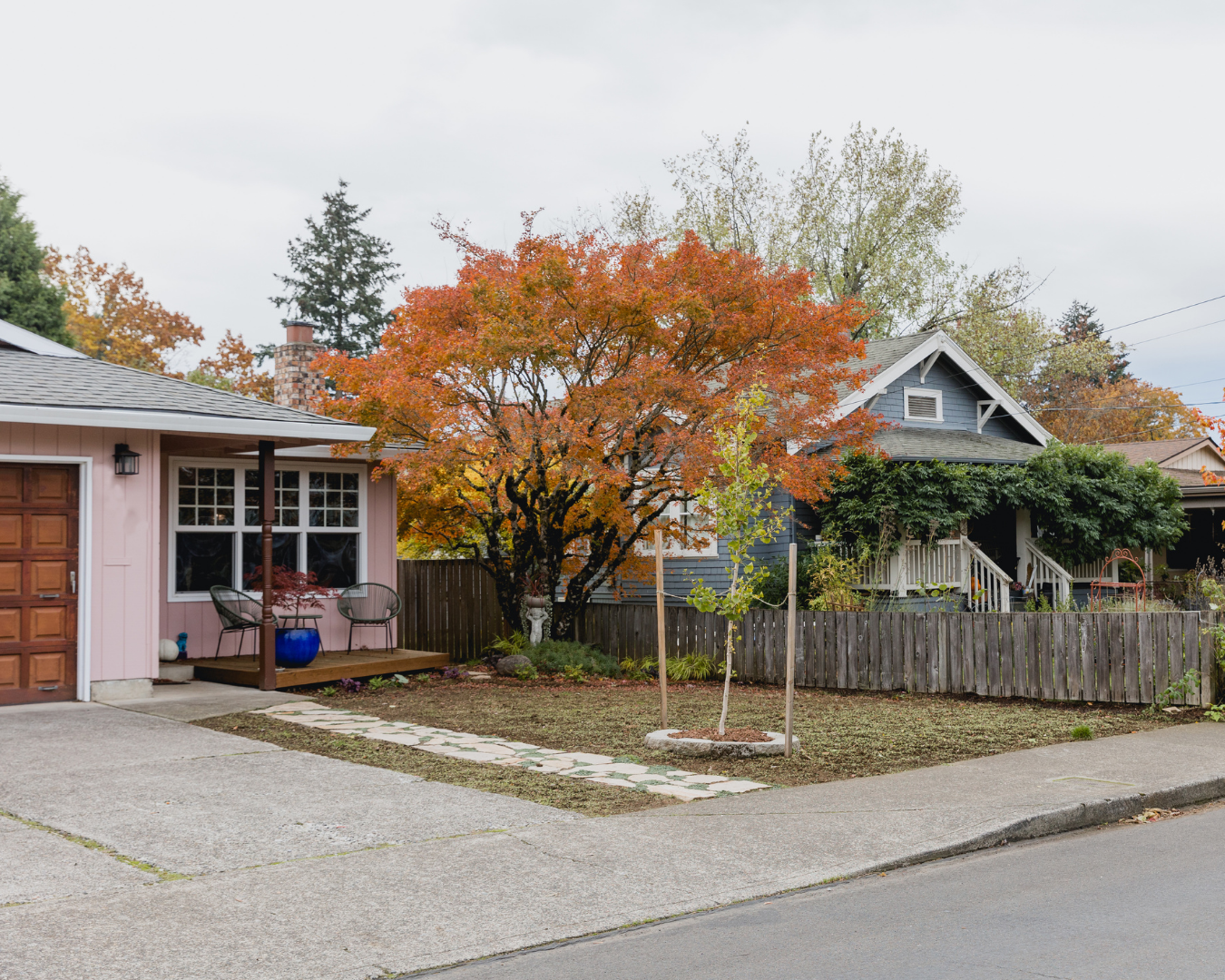
At the end of the day, you need to live in your home and love it. Pure investment logic shouldn't override your actual lifestyle needs and preferences. But understanding how architectural style influences investment returns lets you make informed decisions where personal preference and financial strategy align.
Maybe you love Craftsman bungalows and now you know that preference also positions you for strong appreciation and competitive resale advantages. Or perhaps you're genuinely flexible between styles, and this knowledge helps you prioritize Mid-Century Modern homes that match your lifestyle while offering superior investment characteristics.
The goal isn't to force you into homes you don't genuinely want, it's to help you recognize that when you're still deciding on style preferences, considering investment performance gives you valuable additional information to guide your choice.
Ready to Find Your Perfect Portland Home With Investment Potential Built In?
Whether you're drawn to the handcrafted details of Craftsman bungalows, the storybook charm of Tudor Revivals, the clean lines of Mid-Century Modern design, or the cozy appeal of English Cottages, Urban Nest agents can help you find homes where architectural style meets investment opportunity.
We offer free consultations where we can discuss your style preferences, budget parameters, and investment priorities. Then we guide you toward homes and neighborhoods where all three align. Portland's architectural diversity means opportunities exist across price points and neighborhoods, and our job is matching you with properties that work both emotionally and financially. Your home should be a place you love living. But there's no reason it can't also be one of the smartest financial decisions you make. Let's find both.