
Accessory Dwelling Units are having a moment (like a couple decade moment) in the Pacific Northwest and for good reason. In Portland and Vancouver, ADUs can be a flexible housing solution for family or a way to set up your wealth-building portfolio. They can also be… a second job that you didn’t mean to apply for.
This isn’t an “ADUs are amazing!” hype post. This is the real-life version: the tradeoffs Urban Nest agents see again and again when buyers say, “We want to buy a place with an ADU!” or sellers ask, “Can we make back what we spent to build this ADU”. Let’s get into the stuff that actually matters: privacy, property management, insurance, permits, utility metering, financing, and (big one) how ADUs play at resale in the Pacific Northwest market.
1) Rental demand is real but so are the loss of privacy impacts on your home
Portland and Vancouver both have strong rental demand for small, well-located units, especially if the ADU is:
close-in (walkable neighborhoods, good transit access, easy commute routes)
thoughtfully designed (light, storage, real kitchen)
climate-comfortable (good insulation + ventilation)
A clean, private ADU with laundry access and parking (or great walkability) tends to rent quickly. But there’s a part that people don’t talk about enough, and that is how an ADU changes the feel of your home. Even if the numbers pencil out, ask yourself:
Do you want to share your driveway, backyard, or fence line every day?
Are you okay hearing someone else’s life through a wall (or in your backyard)?
Will you feel “on” at home because someone’s always around?
Our rule of thumb is that if you’re buying an ADU primarily for income, make sure to really consider if you’re also okay with the lifestyle change even if the tenants are perfectly lovely.
2) ADU landlord life is smaller-scale but more intimate
People imagine ADU landlording as “easy” because it’s one unit. In reality, it can feel more personal because it’s on your property. If you travel a lot, hate conflict, or just want your time back, budget for property management even if it’s just help with tenant screening + lease setup. It’s not always cheap, but it can protect your sanity. It’s good to factor into your budget now.
The common real-life friction points
Noise and quiet hours (especially in summer when windows are open)
Guest parking / shared driveway etiquette
Pets + yard boundaries
Garbage/recycling confusion
Laundry access (shared vs separate is a big deal)
3) Insurance: this is where “surprise adulting” shows up
ADUs can change your insurance profile more than people expect. In our wet climate, insurers care about water intrusion risk. If you’re buying an older Portland home and adding an ADU later especially in a basement, expect questions about drainage, roofing age, and updates.
Things to clarify with your insurance agent before you buy/build:
Is the ADU considered a separate structure?
Does your policy cover tenant-caused damage? Loss of rent?
If there’s a fire in the ADU, how does that affect the main dwelling coverage?
If the ADU is attached (or over a garage), does that change replacement cost or risk classification?
4) Permits: Portland and Vancouver require some realism in your buildout timeline.
ADUs are common here partly because local policy has moved in that direction but “common” doesn’t necessarily mean “fast.”
What we typically see in Portland
If you’re inside Portland city limits, you’ll typically be dealing with the City of Portland’s permitting process (BDS). Even when the rules allow ADUs, homeowners still run into:
plan review time
site constraints (setbacks, lot coverage, tree rules)
older properties that need utility upgrades
neighbors + access issues (construction staging in tight lots)
What we typically see in Vancouver / Clark County
Across the river, rules and processes differ depending on whether you’re in the City of Vancouver proper or unincorporated Clark County. You’ll want to confirm:
zoning allowances
owner-occupancy requirements (if any apply to your scenario)
parking requirements and access
utility connection rules
Our advice? Treat ADU timelines like a remodeling timeline in the PNW: build in buffer time and budget for “unknown unknowns,” especially with older housing stock.
5) Utility metering is the overlooked topic that becomes very important
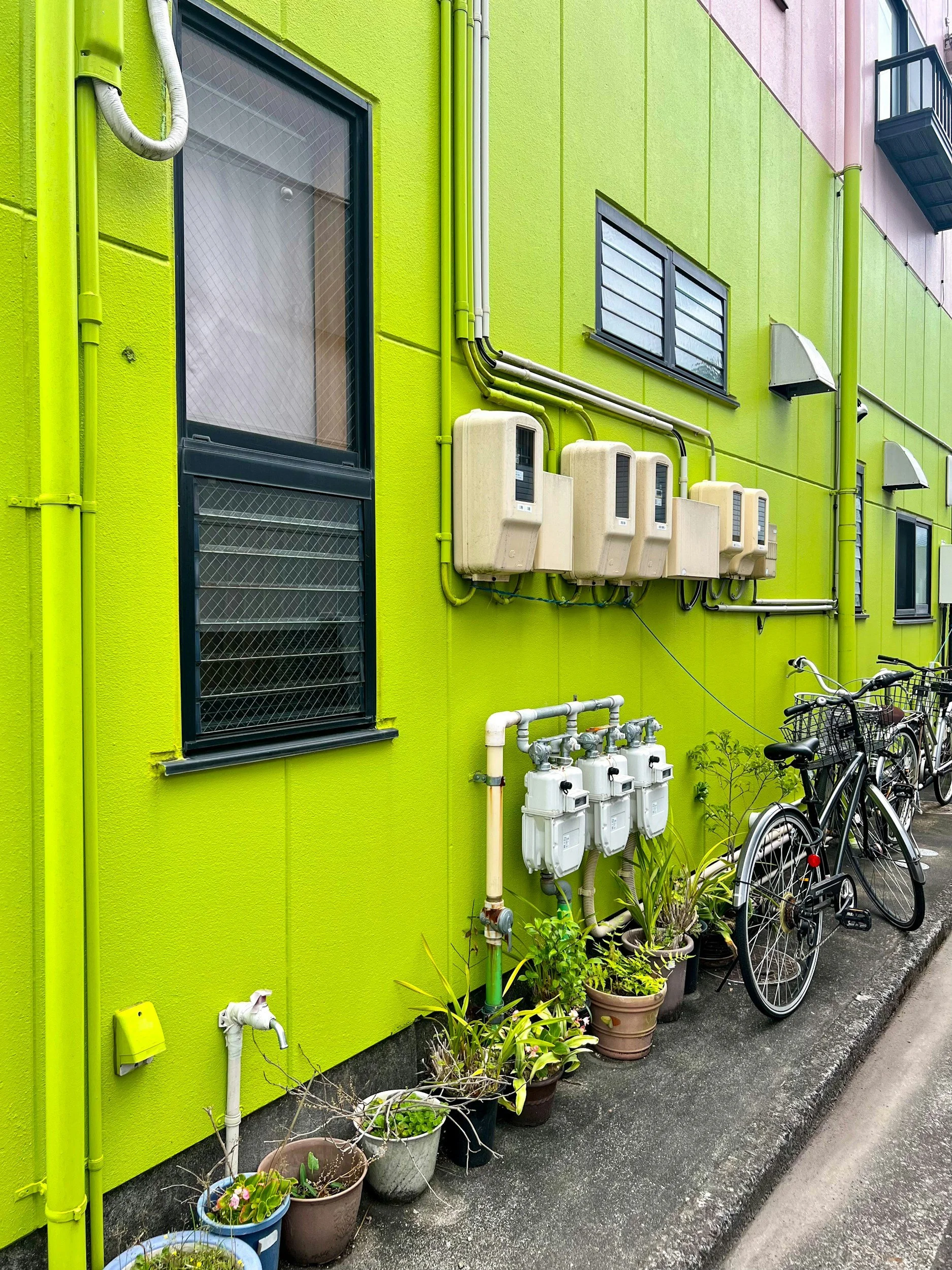
If you want less landlord drama, utilities matter. One local nuance to consider is that our winters are long and damp, and heating costs can be substantial. Tenants who work from home may use more power. If the ADU is poorly insulated, they may rely on space heaters, and you’ll feel it in the bill.
Options you’ll see locally
Shared utilities (one meter):
simplest setup
but requires a clean agreement: flat fee? ratio? included in rent?
can become awkward if someone runs space heaters all winter
Separate meters:
more straightforward for tenant + landlord
can be expensive or complicated depending on the property and municipality
may require electrical service upgrades
6) ADUs can help but they don’t magically fix affordability
There’s a few routes to consider when going down the path of ADU’s and each have their own important factors when it comes to financing. The reality is: ADUs are rarely “cheap.” In the PNW, labor + permitting + utilities + site work can stack up quickly, especially if you’re retrofitting an older Portland property.
Buying a home with an existing ADU
Some lenders will consider ADU rental income (or projected income), but it’s not always dollar-for-dollar, and requirements vary. Expect documentation requests like:
existing lease terms (if rented)
proof the unit is legal/permitted (this one matters a lot)
appraiser treatment of the ADU (does it add value? how much?)
Building an ADU after purchase
Common paths include:
cash + savings (rare but easiest)
construction loans
refinance / equity-based financing (depends on rates and equity timing)
personal loan
7) Resale buyer types: who actually pays more for an ADU in Portland/Vancouver?
An ADU can absolutely boost appeal, but it’s not one-size-fits-all. Buyers also care deeply about legitimacy*.* A permitted ADU with clear utility setup, good finishes, and privacy sells differently than a DIY converted garage. In our market, ADUs tend to attract a few specific buyer categories:
The “help me afford this” buyer
They need the rental income to make the monthly payment feel doable—especially with today’s rates.
The multigenerational buyer
They want space for a parent, adult kid, or long-term guest setup—without sharing a kitchen.
The remote worker / studio buyer
They want separation: office, creative studio, therapy practice (where allowed), etc.
The investor-leaning owner occupant
They want flexibility now and investment options later.
ADU vs. Finished Attic/Basement vs. Renting a Room (which one fits your life?)
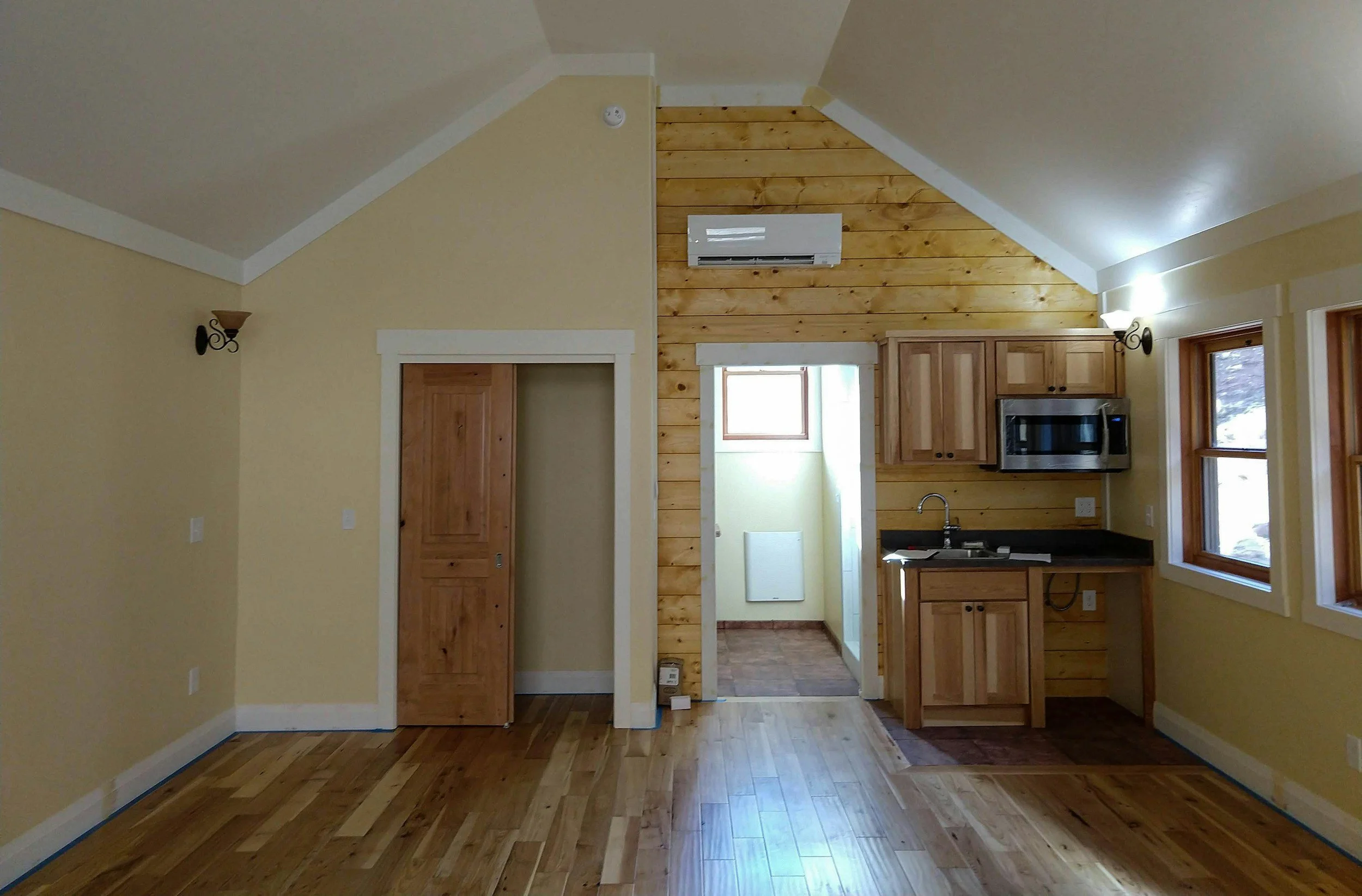
Here’s the practical comparison that we often walk clients through.
Option A: ADU
Best for:
long-term flexibility + stronger privacy boundaries
multigenerational living
owners comfortable with “two households” on one property
Pros:
strongest separation (usually)
often most attractive at resale if permitted + well designed
can feel like a real second home
Cons:
highest cost + complexity (permits, utilities, insurance)
more moving pieces = more stress
you’re managing a separate living space
Option B: Finished basement or attic as a living space
Best for:
owners who want added function without adding a second household vibe
guests, older kids, office + rec room
medium-term flexibility
Pros:
often cheaper than building a detached ADU
keeps everything under one roof
can add meaningful usable square footage
Cons that are very PNW specific:
moisture is real here, meaning any livable space need proper waterproofing, ventilation, and dehumidification
ceiling height, egress windows, and code compliance can limit rentability
may not create the same rental privacy a potential tenant wants
Option C: Renting a room in the main house
Best for:
owners who want income with minimal upfront cost
people who don’t mind shared kitchens and “housemate life”
Pros:
fastest + cheapest way to generate income
no construction/permit process
easy to stop if you hate it
Cons:
lowest privacy
highest day-to-day interaction
can feel like your home isn’t fully yours
ADUs can be an incredible wealth building tool but only if they match your lifestyle
Remember, the best ADU decision isn’t just about return on investment. It’s about:
privacy tolerance
how you feel about being a landlord
how much complexity you want in your life
whether you want to manage utilities, permits, and maintenance like a mini property portfolio
If you want a clean, flexible way to house family, generate income, or create a long-term “future you” option, ADUs can be an incredible fit in Portland and Vancouver.
